Keno Adaptations Meet Global Platform Tools: Rules, Protections, and Support Structures Across Languages
Morgan Krause · Oct 16, 2026

Keno Adaptations Meet Global Platform Tools: Rules, Protections, and Support Structures Across Languages
Online keno has evolved through platform integrations that adjust core rules while adding layers of player protections and language-specific support features, and these changes accelerated in October 2026 as regulators in multiple jurisdictions updated digital lottery frameworks.
Core Rule Adaptations Across Platforms
Keno draws on number selection from a field of eighty with twenty drawn each round, yet global platforms modify payout structures and ticket formats to match local regulations. Operators in North America often cap maximum wagers at state-defined limits, whereas European systems adjust draw frequencies to align with consumer protection statutes. Data from industry reports shows that platforms serving Australian users introduced variable bet sizing in 2025 that carries into October 2026 updates, allowing smaller increments without altering the fundamental odds calculation.
Those who track these systems note that draw intervals now range from every five minutes on high-volume sites to hourly sessions on others, with software enforcing consistent randomization through certified algorithms. One case documented by researchers at a Canadian university highlighted how a platform serving both domestic and international players synchronized its payout tables to prevent cross-border discrepancies while maintaining separate rule sets for each market.
Player Protection Mechanisms in Digital Environments
Protections include mandatory age verification gateways, deposit caps tied to verified income brackets, and session time alerts that trigger automatically after set durations. Regulatory bodies such as the National Conference of State Legislatures track how U.S. state lotteries embed these tools directly into their online keno interfaces, requiring users to acknowledge limits before each purchase cycle. Australian frameworks similarly mandate self-exclusion lists that sync across licensed operators, reducing the chance of repeated play during restricted periods.
Evidence indicates that platforms rolled out enhanced reality checks in October 2026, prompting users with real-time spending summaries displayed in their chosen language. These features operate alongside third-party audits that verify random number generators and payout accuracy on a quarterly basis, and the process has become standard for operators targeting multilingual audiences.
Multilingual Support Structures and Accessibility
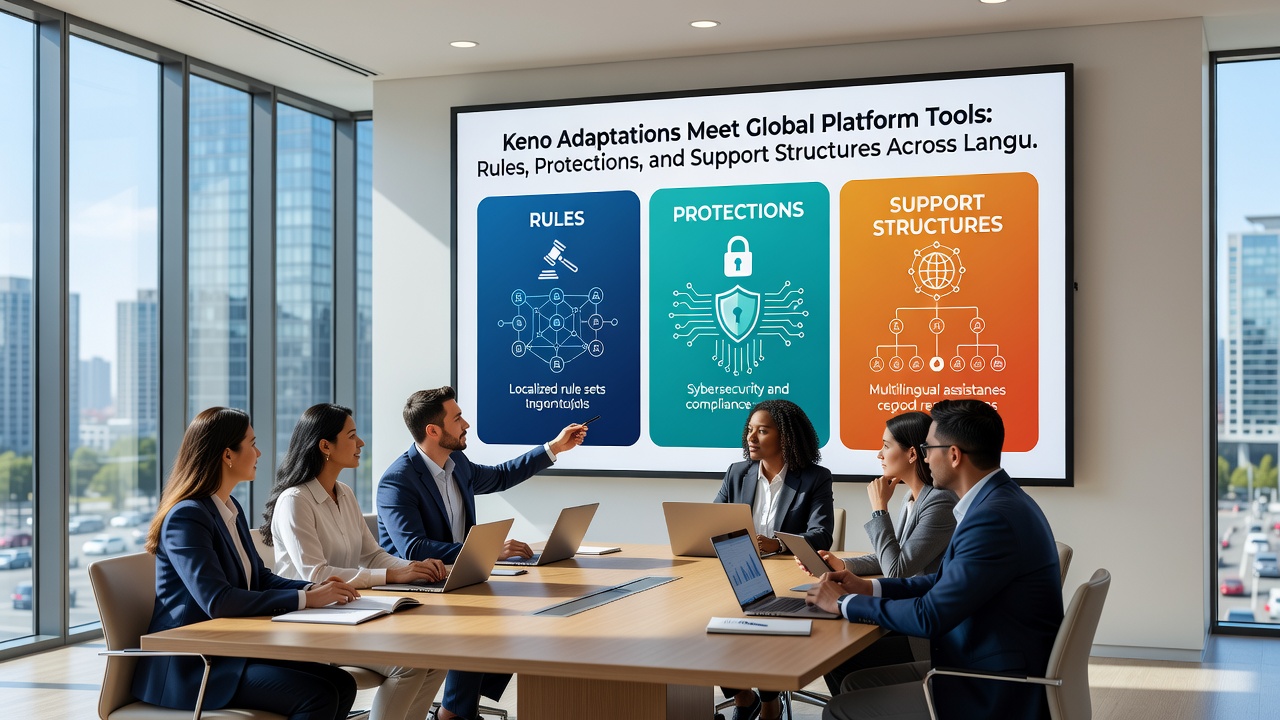
Language support extends beyond interface translation to include rule explanations, responsible gaming resources, and customer service interactions delivered in real time. Platforms serving European markets provide documentation in at least twelve languages, while North American operators focus on English, Spanish, and French variants to cover primary user bases. Research indicates that accurate translations of probability tables and payout schedules reduce disputes, and operators now employ native linguists to review updates before deployment.
Support structures incorporate live chat staffed by agents fluent in user-selected languages, plus automated help centers that route queries based on geographic location and language preference. Observers note that these systems expanded significantly by October 2026, with several major platforms adding voice-assisted options for visually impaired players in multiple tongues. The integration ensures that rule changes, such as adjusted maximum ticket values or new bonus mechanics, reach all users simultaneously regardless of language.
Regulatory Oversight and Cross-Border Coordination
Global coordination appears in agreements among regulators that share data on player behavior and operator compliance. Sources from the Australian gambling support network document how operators must report aggregated activity metrics monthly, allowing authorities to identify emerging patterns in keno participation. European agencies apply similar reporting requirements, with emphasis on preventing underage access through unified verification databases.
Platforms that operate across borders maintain separate compliance teams for each jurisdiction, adapting protection thresholds while preserving core gameplay elements. This approach has produced standardized audit trails that regulators review during licensing renewals, and the process continues to incorporate feedback from October 2026 policy revisions.
Conclusion
Keno adaptations on global platforms continue to balance rule flexibility with consistent protections and language accessibility, supported by ongoing regulatory updates and technical refinements that address user needs across regions.