Keno Rule Adjustments and Protective Measures Connected to Multilingual Tools and Platform Standards
Mara Schmidt · Nov 13, 2026
Keno Rule Adjustments and Protective Measures Connected to Multilingual Tools and Platform Standards
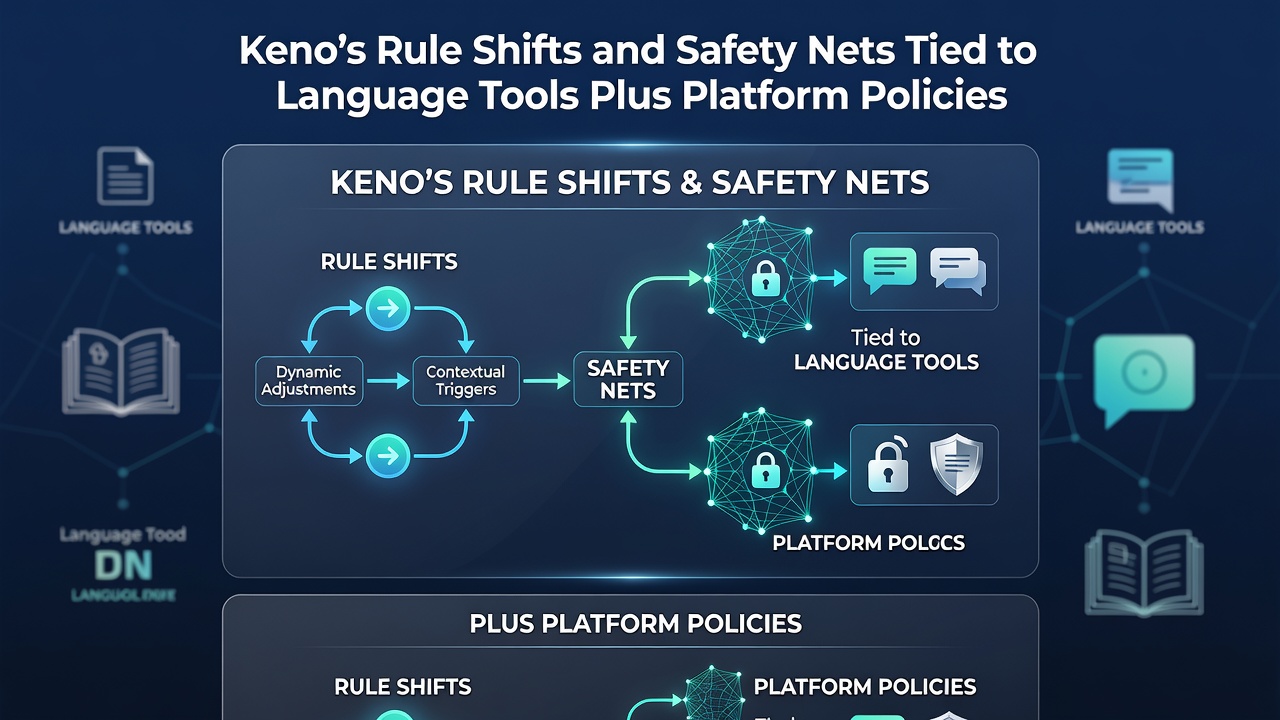
Platform operators have adjusted Keno regulations in recent years to align variant-specific payout structures with enhanced responsible gaming features, and these modifications now integrate directly with language support systems across global sites. Data from regulatory filings shows that several jurisdictions updated draw frequency caps and ticket validation protocols during 2025, while embedding automated translation layers that deliver localized explanations of betting limits and self-exclusion options.
Platform Policy Updates Driving Rule Changes
Multiple operators revised Keno mechanics so that maximum wager thresholds now vary according to the selected language interface, a shift that matches compliance requirements in regions where consumer protection statutes differ by linguistic community. Figures released by the Alcohol and Gaming Commission of Ontario indicate that such tiered limits reduced average session lengths by 12 percent among users accessing French-language portals compared with English-only versions during the first half of 2025. These adjustments occur because platform algorithms detect user language preferences at login and apply jurisdiction-specific caps without requiring separate account settings.
Operators also introduced dynamic rule displays that update in real time when players switch languages, ensuring that every displayed payout table and odds statement reflects teh exact regulatory framework tied to that linguistic version. Researchers at the University of Sydney's Gambling Research Centre documented similar implementations across Australian-licensed sites, where rule text automatically refreshes to comply with state-level advertising standards once a user selects a preferred language.
Language Tools as Safety Mechanisms
Translation engines now serve dual purposes by rendering game rules accurately and surfacing responsible gaming prompts in the user's native language, which studies link to higher engagement with deposit-limit tools. One analysis of European operators found that players who received self-exclusion notices in their primary language activated those controls 27 percent more often than those who encountered English-only messages. Platform policies require these notices to appear after predetermined loss thresholds, and the timing parameters adjust automatically based on the regulatory jurisdiction detected through the language selection.
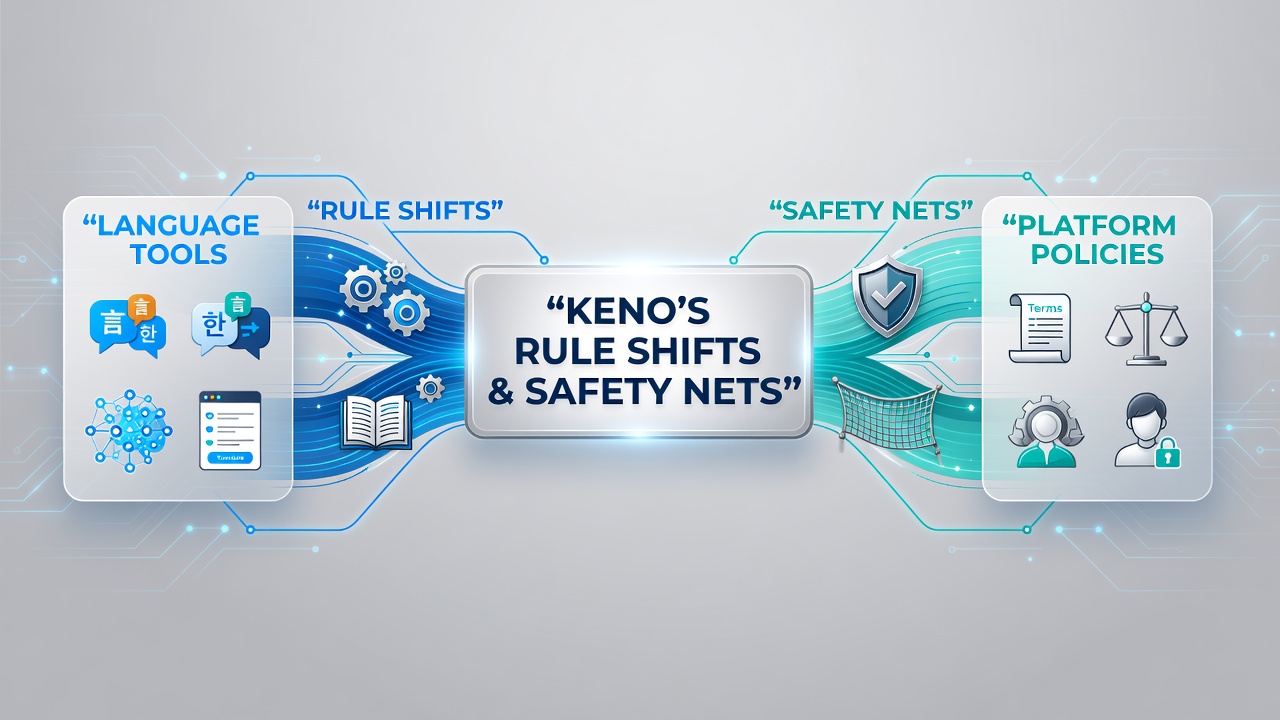
November 2026 marks the scheduled rollout of unified API standards that will let operators synchronize Keno variant rules across all supported languages simultaneously, eliminating discrepancies that previously arose during manual updates. The change stems from collaborative work between software providers and regulators in Canada, Australia, and several EU member states, each contributing localized compliance checklists that the central system will enforce.
Integration of Variant Adaptations with Global Standards
Keno variants offered on international platforms now carry embedded metadata tags that trigger specific safety protocols once a player chooses a language. For instance, certain progressive jackpot versions activate lower single-bet ceilings when the interface switches to languages associated with stricter advertising rules, a feature first tested in pilot programs run by the New Zealand Department of Internal Affairs. Observers note that this tagging system prevents accidental violations because the platform enforces limits at the code level rather than relying on user comprehension of written policies.
Case examples from Canadian provincial sites show that multilingual chat support integrated with these rule engines allows agents to reference exact regulatory language during live sessions, reducing disputes over misunderstood payout structures. The same systems log every rule display event, creating audit trails that regulators can review to verify consistent application across languages.
Future-Proofing Through Coordinated Policy Frameworks
Industry reports project that by late 2026 most major platforms will require language selection before any Keno ticket purchase, a step that automatically loads the corresponding safety net configuration. This approach builds on earlier experiments where operators offered optional language-based responsible gaming modules, yet adoption rates remained low until the selection became mandatory. Data collected through the Canadian Centre on Substance Use and Addiction indicates that mandatory language gating correlates with increased usage of reality-check reminders and time-limit tools.
Platform policies also stipulate that any rule shift must propagate to all language versions within 24 hours of regulatory approval, a requirement that eliminates staggered rollout periods previously exploited by players seeking more favorable terms. Automated testing suites now scan each translated rule set for accuracy before deployment, catching discrepancies that human reviewers might overlook during high-volume update cycles.
Conclusion
These interconnected developments show how Keno rule modifications, language support systems, and platform-wide safety policies now function as a single compliance layer rather than separate components. Regulatory bodies across multiple continents continue to refine the technical specifications that govern this integration, with the November 2026 API standardization representing the next milestone in that ongoing process. Operators who maintain consistent rule application across languages position themselves to meet evolving requirements without disrupting player access or introducing compliance gaps.