Keno's Hidden Layers: How Variant Rules Align With Multilingual Protections and Platform Guidelines
Yara Jung · Oct 30, 2026
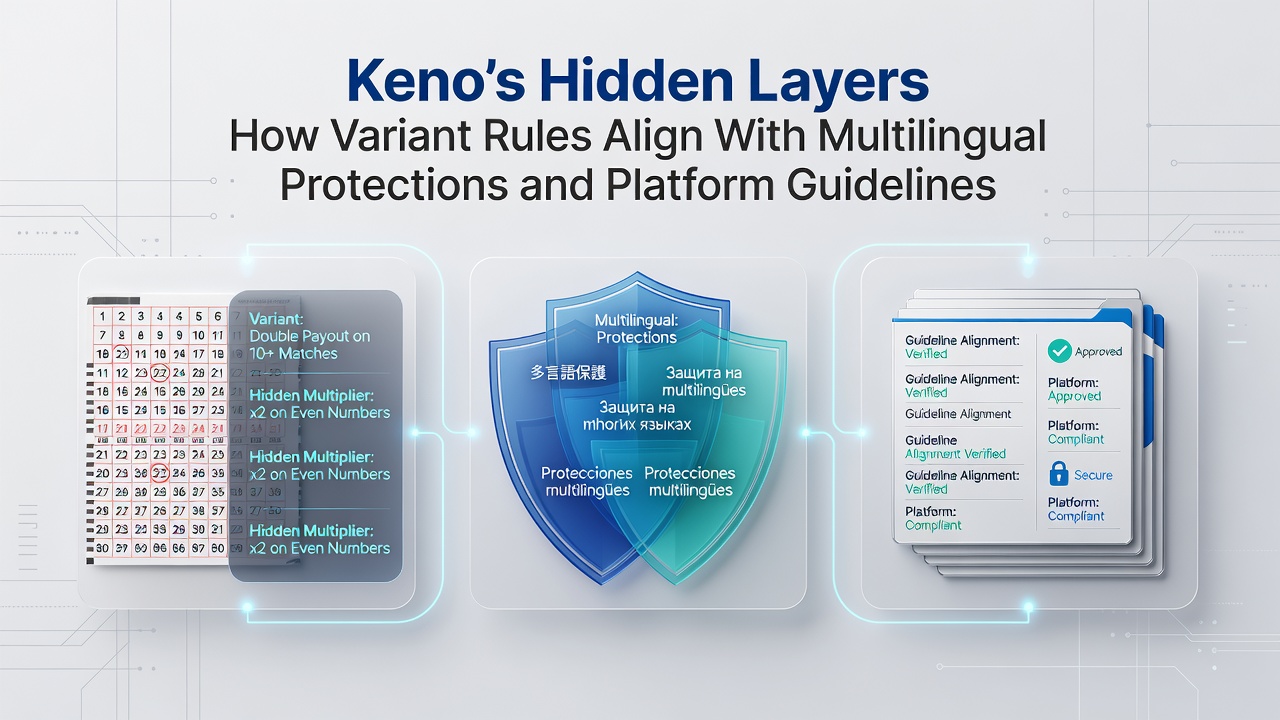
Keno's Hidden Layers: How Variant Rules Align With Multilingual Protections and Platform Guidelines
Platform operators have developed structured approaches to keno variants that integrate specific rule sets with language-based player protections and overarching compliance frameworks, and these alignments have gained attention as regulatory updates approach in October 2026.
Understanding Keno Variant Structures
Variant adaptations in keno include modifications to number selection ranges, draw frequencies, and payout matrices, while each change requires documentation that meets technical standards across different jurisdictions, and data from regulatory filings shows operators maintain separate rule documents for each variant to ensure consistency in how multipliers apply or how progressive elements trigger.
Those who review platform documentation note that standard keno draws often feature 20 numbers selected from 80, yet variants may shift to 10 from 20 or introduce bonus rounds, and these adjustments must still satisfy the same core fairness algorithms that underpin the base game.
Multilingual Support Mechanisms
Language protections extend beyond simple translation by embedding rule explanations and risk disclosures directly into each supported interface, so players accessing content in Spanish, Mandarin, or French receive identical regulatory notices that mirror the English versions, and platform logs indicate automated checks verify that translated text preserves the original meaning of payout percentages and eligibility conditions.
Research from gaming oversight bodies indicates that multilingual requirements have expanded since 2023, with operators now required to update all language versions within 48 hours of any rule change, while audits confirm that variant-specific details such as altered draw times receive equal treatment across languages.
Platform Guidelines and Compliance Layers
Guidelines issued by authorities such as the Alcohol and Gaming Commission of Ontario require that variant rules undergo testing before deployment, and these tests evaluate both the mathematical integrity of the game and the accessibility of its instructions in multiple languages. Operators submit detailed mapping documents that link each rule clause to its corresponding protection statement, ensuring no variant introduces elements that bypass established safeguards.
Additional oversight comes from groups like the International Association of Gaming Regulators, which tracks how platforms coordinate updates across regions, and figures released in early 2026 highlight that 92 percent of reviewed keno implementations already maintain synchronized rule sets in at least four languages.
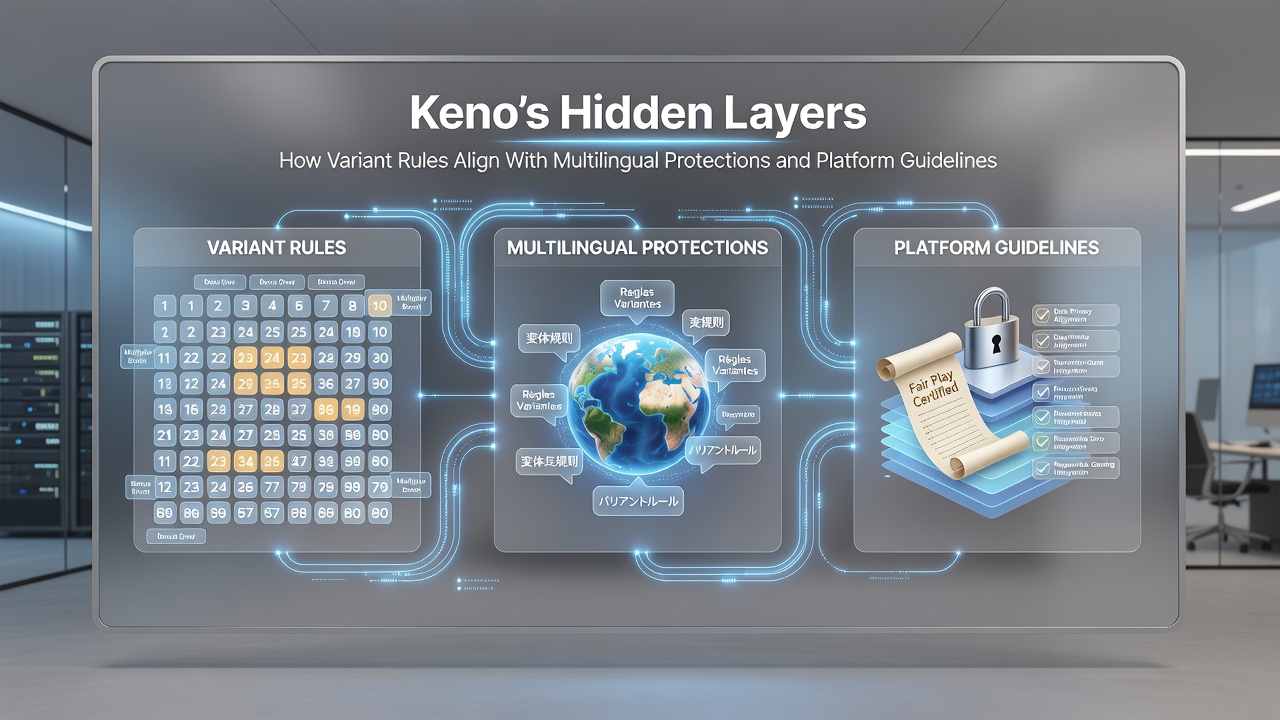
Integration Points Between Rules, Protections, and Guidelines
Alignment occurs through centralized content management systems that flag any discrepancy between a variant rule and its multilingual counterpart, and these systems generate reports that compliance teams review before October 2026 deadlines take effect. One documented case involved a progressive keno variant where the bonus trigger threshold appeared differently in two language packs, prompting an immediate correction and a temporary suspension of that variant until verification completed.
Platform navigation tools further support this integration by directing players to jurisdiction-specific rule pages, and observers report that these tools now include version histories showing when each language received updates, thereby creating an auditable trail that satisfies both internal policies and external regulatory reviews.
Future Adjustments Ahead of October 2026
Scheduled regulatory reviews in multiple regions will examine whether current alignment practices remain sufficient once new technical standards activate in October 2026, and preliminary guidance documents suggest operators may need to expand language support to include additional regional dialects while maintaining the same verification protocols. Data compiled by industry monitoring services shows that platforms already investing in automated translation validation tools experience fewer compliance incidents during variant rollouts.
Those preparing for the changes emphasize the importance of maintaining identical risk disclosures across all languages, because any misalignment could trigger enforcement actions under updated guidelines that place greater weight on player comprehension metrics.
Conclusion
Variant rules, multilingual protections, and platform guidelines form interconnected layers that operators manage through documented processes and automated checks, and the approach continues to evolve as October 2026 approaches. Continued coordination between technical teams and compliance departments ensures that keno remains accessible while meeting the expanding requirements set by regulatory bodies and industry organizations.